 Silicone Manufacturer for Custom Silicone Products
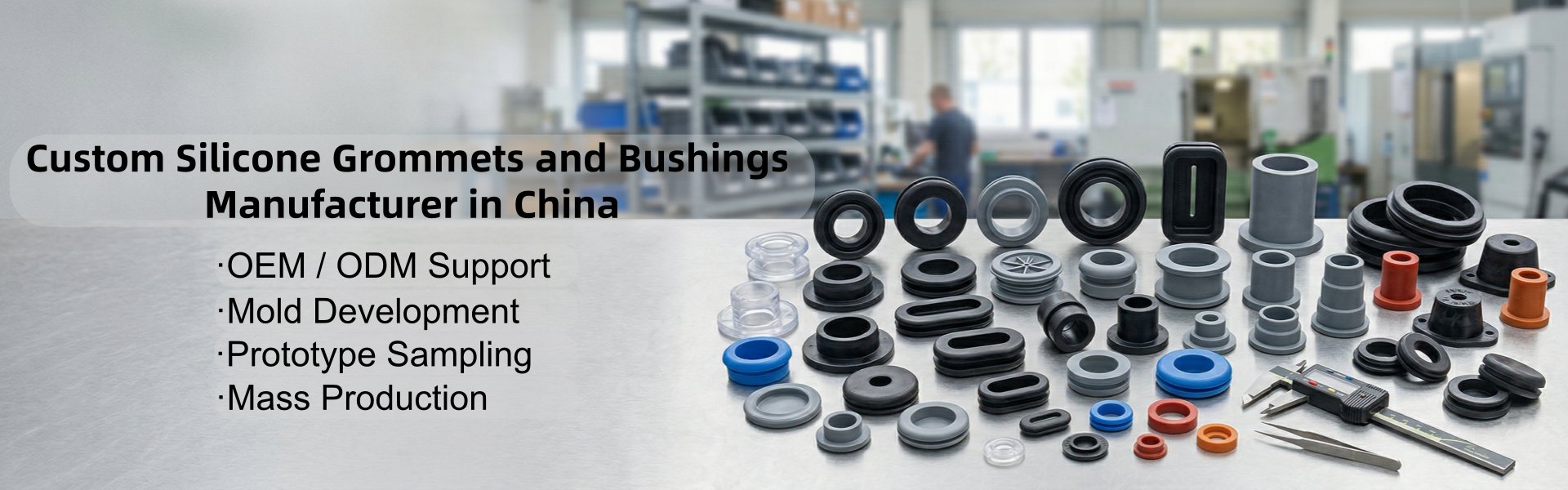
Material Upgrades: Why Engineers Are Switching from EPDM and TPE to Custom Silicone
When designing a custom seal, gasket, or protective boot, procurement teams are often tempted by the low upfront costs of materials like EPDM (Ethylene Propylene Diene Monomer) or TPE (Thermoplastic Elastomers). On a spreadsheet, these materials look like cost-effective alternatives.
However, in the field, the true cost of a material is measured by its failure rate. When TPE gaskets flatten out and leak, or EPDM seals crack under UV exposure, product recalls wipe out any initial material savings. At Reemane, we frequently help engineering teams transition failing legacy components to high-performance custom silicone. Here is an objective engineering comparison of why silicone outperforms EPDM and TPE in critical applications.
1. The Extremes of Temperature: Thermal Stability
The most immediate differentiator between these elastomers is their operating temperature range.
- TPE: Behaves like a plastic. It melts and deforms at relatively low temperatures (often failing around 80°C to 100°C) and becomes brittle and prone to shattering in freezing conditions.
- EPDM: A robust industrial rubber, but it typically tops out around 130°C to 150°C. Prolonged exposure to engine heat or high-temperature fluids causes it to harden and crack.
- Custom Silicone: The undisputed champion of thermal stability. Standard silicone effortlessly maintains its elasticity from -50°C to +200°C, with specialized High-Temperature Vulcanizing (HTV) formulas pushing past +250°C. If your component is near an engine, heating element, or in an aerospace application, silicone is the only viable choice.
2. Compression Set: The Secret to Long-Term Sealing
A gasket’s primary job is to push back against the housing to maintain a seal. This “push back” is determined by its compression set (how well it rebounds after being compressed).
TPE is notorious for having a poor compression set. Over time, under continuous pressure, TPE permanently deforms and flattens out (taking a “set”). Once the material stops pushing back, water and dust find their way in. Silicone, conversely, possesses an exceptional low-compression set. Even after years of being clamped down in a bolted assembly, a post-cured silicone gasket will spring back to its original shape, ensuring a watertight IP68 seal for the entire 10+ year lifespan of the product.
3. Environmental Degradation: UV, Ozone, and Weathering
For outdoor enclosures, HVAC systems, or agricultural equipment, the sun is a destructive force. Ultraviolet (UV) light and atmospheric ozone break down the molecular bonds of many traditional rubbers.
While EPDM offers decent weather resistance, it will eventually chalk, fade, and crack after years of intense UV exposure. Silicone’s unique inorganic backbone (Silicon-Oxygen bonds rather than Carbon-Carbon bonds) makes it inherently immune to UV radiation, ozone, and extreme weathering. A silicone seal will not degrade, become brittle, or change color, even after a decade of direct sunlight exposure.
4. Purity and Biocompatibility (FDA/Medical Standards)
If your product handles drinking water, food processing, or touches human skin, material purity is non-negotiable.
EPDM and heavily plasticized TPEs often contain leaching chemicals, plasticizers, and strong odors that disqualify them from medical or food-grade applications. Platinum-cured silicone is completely inert, odorless, tasteless, and hypoallergenic. It easily passes the most stringent FDA 21 CFR 177.2600, LFGB, and ISO 10993 biocompatibility standards.
Upgrade Your Failing Components
Do not let a cheap piece of rubber dictate the reliability of your premium product. If you are experiencing high failure rates with TPE or EPDM, Reemane’s engineering team can help you redesign and upgrade your components to high-performance custom silicone.