 Silicone Manufacturer for Custom Silicone Products
Long-Term Supply Agreements versus Spot Market Sourcing: Securing Manufacturing Capacity for Volatile Schedules
In the global procurement of custom Liquid Silicone Rubber components, supply chain directors constantly battle fluctuating retail demand. To maintain maximum inventory agility, many Original Equipment Manufacturers rely on Spot Market Sourcing—issuing unpredictable, short-notice purchase orders only when their internal warehouse stock reaches critical depletion. While this Just In Time ideology appears highly efficient on a financial spreadsheet, it fundamentally ignores the rigid physical constraints of industrial manufacturing capacity.
Premium silicone injection molding facilities do not operate with idle machinery waiting for a random purchase order. Hydraulic presses, cleanroom floor space, and automated mixing equipment are strictly scheduled months in advance. When an Original Equipment Manufacturer attempts to source a massive volume of custom gaskets on the spot market, they are immediately confronted by debilitating lead times, extortionate expediting fees, or outright rejection. This technical specification deconstructs the severe operational risks of ad-hoc procurement and proves why a formalized Long-Term Supply Agreement is the ultimate corporate shield against catastrophic capacity shortages.
Capacity Engineering Axiom: You can negotiate the price of a silicone component, but you cannot negotiate the laws of thermodynamics. Vulcanizing liquid polymers requires a fixed, unalterable cycle time. If a factory’s hydraulic presses are fully allocated to a contracted competitor, no amount of spot market capital can instantly manufacture time.
1. Machine Allocation and Press Tonnage Constraints
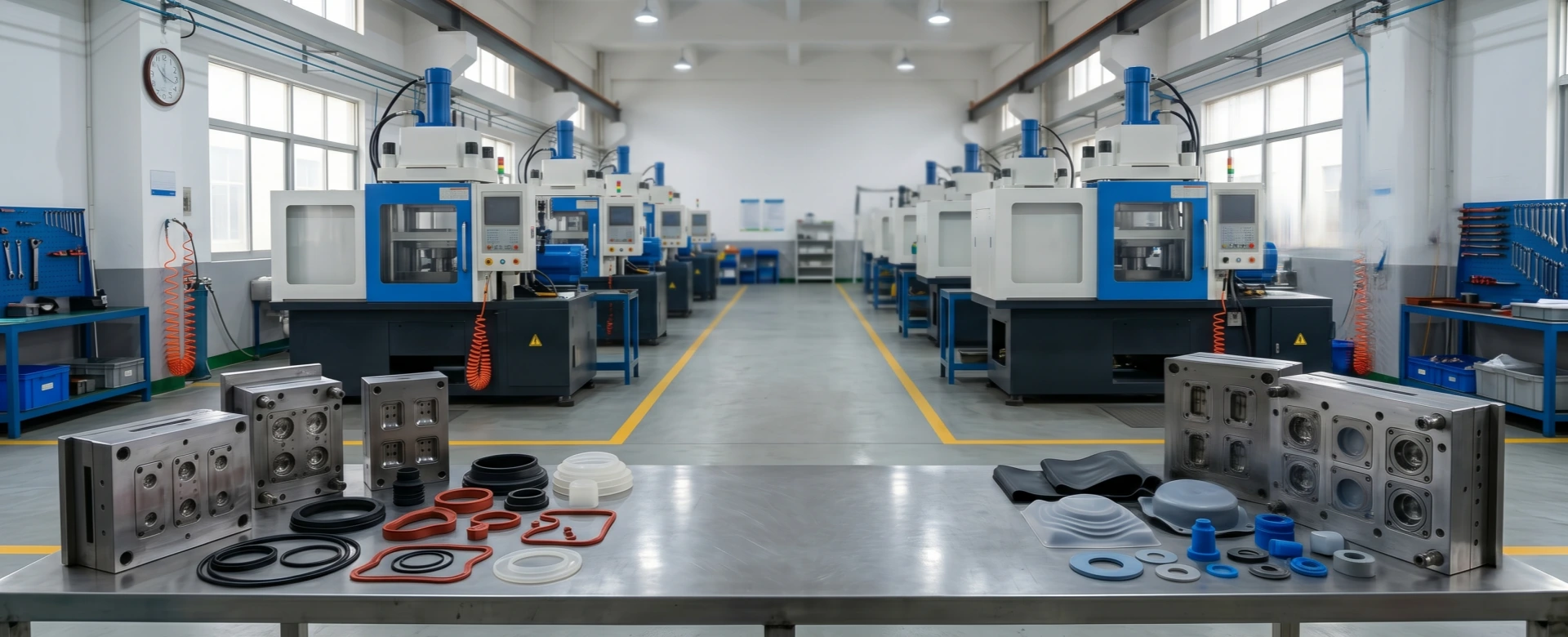
Unlike standard commercial commodities that can be pulled from a warehouse shelf, custom silicone manufacturing requires mounting a proprietary high-tensile steel mold into a specific hydraulic injection press. These presses are categorized by their clamping force tonnage. If your medical fluid valve requires a two-hundred-ton press, the factory cannot simply run it on an available fifty-ton press.
In a Spot Market Sourcing scenario, the factory must wait for a scheduled opening on the exact press class required for your specific tool. During peak global manufacturing seasons, this queue can extend to eight or twelve weeks before your tool even touches the heating platens. A Long-Term Supply Agreement legally circumvents this queue. By executing a binding annual forecast, Reemane explicitly quarantines the necessary machine hours and specific tonnage capacity exclusively for your product portfolio. This dedicated machine allocation ensures that even if your retail demand spikes unseasonably, your manufacturing throughput is contractually protected.
2. The Mathematics of Spot Market Price Gouging
Original Equipment Manufacturers often assume spot market purchasing secures the lowest current market price. In custom industrial manufacturing, the exact opposite is true. When a buyer submits an emergency spot order, the factory incurs severe disruptive costs. They must break down an active production run, incur emergency air-freight charges for raw platinum-catalyzed silicone base, and schedule expensive weekend overtime labor to meet the aggressive deadline.
These disruptions are mathematically translated into a punitive “Expediting Premium” that is hidden within the unit piece price. Conversely, a Long-Term Supply Agreement operates on the principle of Operational Expenditure dilution. Because the factory is guaranteed a sustained production volume over a twelve-to-thirty-six-month horizon, they can procure raw materials in massive bulk containers, entirely eliminate emergency setup labor, and mathematically crush the baseline manufacturing cost.
3. Architecting a Resilient Long-Term Supply Agreement
A legitimate Long-Term Supply Agreement is not a rigid cage; it is a highly engineered financial and operational hedge. To secure manufacturing capacity while retaining necessary agility, elite procurement teams structure these agreements around a dynamic “Rolling Forecast.”
Under this architecture, the Original Equipment Manufacturer provides Reemane with a binding ninety-day firm production order, backed by a non-binding six-month projection. This allows Reemane to procure the necessary raw chemical polymers and schedule the physical press time well in advance. If the buyer’s retail market suddenly contracts, the Long-Term Supply Agreement includes pre-negotiated inventory buffering clauses, allowing the factory to hold the finished, vacuum-sealed silicone components in a climate-controlled warehouse until the buyer is ready to receive the shipment, effectively decoupling the manufacturing cycle from the immediate cash flow cycle.
4. Sourcing Architecture Comparison Matrix
| Supply Chain Variable | Spot Market Sourcing (Ad-Hoc) | Long-Term Supply Agreement |
|---|---|---|
| Manufacturing Capacity | Unsecured; subject to available press time and seasonal queue delays. | Contractually guaranteed machine allocation and tonnage reservation. |
| Unit Cost Predictability | Highly volatile; vulnerable to emergency expediting fees and overtime labor. | Static and optimized through bulk raw material purchasing and planned labor. |
| Raw Material Security | High risk of chemical shortages due to lack of factory stockpiling. | Absolute security; silicone base is pre-purchased against rolling forecasts. |
| Inventory Agility | Maximum short-term cash flow preservation (buying only what is needed). | High strategic agility via pre-negotiated factory warehouse buffering. |
Lock In Your Manufacturing Capacity with Reemane Strategic Planning
Eradicate catastrophic lead times, eliminate punitive emergency premiums, and secure absolute thermodynamic machine allocation for your product portfolio. Reemane provides transparent Long-Term Supply Agreements, flexible rolling forecast architectures, and dedicated warehouse inventory buffering. To coordinate a comprehensive capacity allocation audit, contact our strategic procurement desk at sales@siliconefactories.com or inspect our automated manufacturing infrastructure at www.siliconefactories.com.