 Silicone Manufacturer for Custom Silicone Products
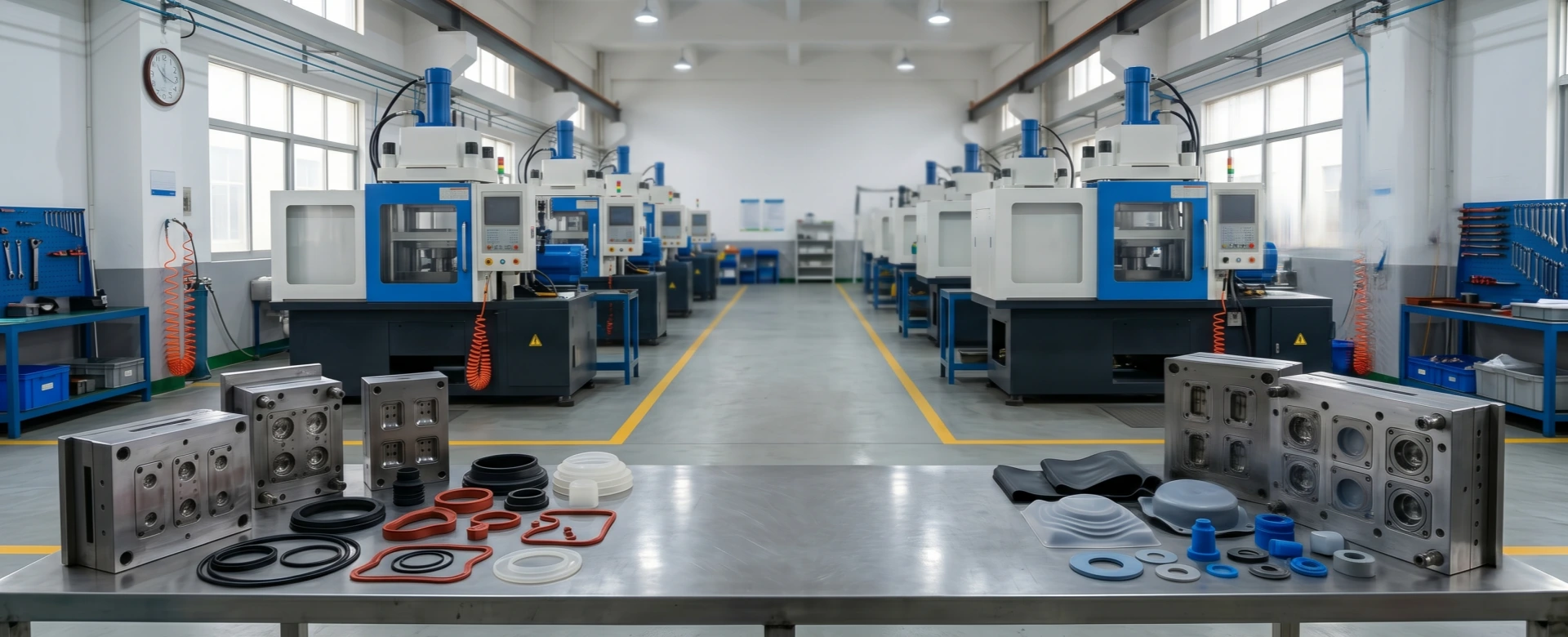
End of Life Tooling Agreements: Who Owns, Safely Stores, and Maintains Your Custom Silicone Molds
In the Business to Business custom manufacturing sector, the steel mold used to inject Liquid Silicone Rubber components represents a massive upfront capital expenditure, often costing tens of thousands of dollars. While procurement discussions obsess over unit price and initial lead times, a critical vulnerability is routinely ignored: the End of Life tooling protocol. When a product cycle concludes, or when an Original Equipment Manufacturer wishes to transition to a new supplier, bitter legal disputes frequently erupt regarding who actually owns the physical tool, who owns the computer-aided design data, and how the tool must be maintained while sitting dormant.
A precision-machined steel mold is highly susceptible to atmospheric oxidation, handling damage, and intellectual property theft. If an undocumented mold is abandoned in a factory warehouse without a rigid End of Life agreement, the Original Equipment Manufacturer risks counterfeit production runs, complete degradation of the tooling surfaces, and extortionate release fees. This technical specification deconstructs the legal boundaries of intellectual property ownership, the rigorous environmental parameters required for long-term steel preservation, and the exact cryptographic and physical protocols for secure mold destruction.
Asset Management Axiom: Paying the invoice for a custom mold does not automatically grant you total control over its destiny. Unless explicitly codified in an End of Life agreement, the physical steel block, the proprietary gating designs, and the right to extract the tool from the factory premises remain in a perilous legal gray area.
1. Intellectual Property Rights and Physical Tool Ownership
The most dangerous misconception in custom polymer manufacturing is the failure to separate part design from tool design. The Original Equipment Manufacturer definitively owns the intellectual property of the final silicone component. However, the complex internal architecture of the mold—including the hot runner systems, the vacuum degassing channels, and the specific Computer Numerical Control milling toolpaths—is frequently considered the proprietary intellectual property of the manufacturer.
A robust tooling agreement must explicitly state that the Original Equipment Manufacturer holds unencumbered physical title to the steel asset. To prevent extortion during a supplier transition, the contract must feature a “No Lien” clause, ensuring the factory cannot hold the physical mold hostage over unrelated commercial disputes. Furthermore, Reemane strictly adheres to International Organization for Standardization twenty-seven thousand and one information security protocols, guaranteeing that all three-dimensional mold engineering files are transferred exclusively to the client and subsequently purged from our local servers upon the termination of the project.
2. Environmental Storage and Atmospheric Oxidation Prevention
When a product reaches the end of its active lifecycle, the tool enters a dormant state. A mold carved from high-tensile steel (such as P20 or H13 grade) is incredibly vulnerable to rust. If a mold is simply placed on a wooden pallet in an unconditioned warehouse, ambient humidity and acidic airborne pollutants will rapidly pit the microscopically polished optical surfaces. Once the cavity surface is oxidized, the tool is permanently destroyed and cannot produce acceptable Liquid Silicone Rubber components without an extremely expensive re-polishing intervention.
Reemane mandates a strict preservation protocol for all dormant assets. Upon concluding the final production run, the mold undergoes ultrasonic alkaline cleaning to remove all residual siloxane polymers. The internal cavities are then flooded with Military Specification anti-corrosion inhibiting compounds. Finally, the tool is sealed in vacuum-desiccated polymer bags and transferred to our climate-controlled Tooling Vault, where the atmospheric relative humidity is strictly locked below forty percent, ensuring the steel remains pristine and ready for immediate redeployment even after a decade of inactivity.
3. Dormant Asset Management and Liquidating Protocols
| End of Life Scenario | Dormant Preservation | Supplier Transition (Extraction) | Secure Asset Destruction |
|---|---|---|---|
| Intellectual Property Security | Maximum (Stored in secure vault) | Moderate (Risk during transit) | Absolute (Zero counterfeit risk) |
| Financial Maintenance Burden | Low annual vault storage fee | High crating and freight export costs | Zero ongoing liabilities |
| Required Documentation | Annual photographic condition report | Commercial invoice and export clearance | Cryptographic Certificate of Destruction |
4. Secure Destruction and Anti-Counterfeit Measures
When a proprietary medical device or a high-end consumer electronic product reaches its definitive end of life, the Original Equipment Manufacturer faces a severe threat: unauthorized ghost-shift production. If a rogue operator gains access to the dormant mold, they can inject thousands of identical, counterfeit silicone components that flood the gray market and destroy the brand equity of the original client.
To eliminate this existential threat, the End of Life agreement must include a certified destruction clause. Reemane does not simply discard old tooling into a scrap metal yard. We execute a documented demilitarization process. The core cavities of the mold are subjected to deep-penetration plasma torch cutting, permanently obliterating the three-dimensional geometry of the product. This physical destruction is recorded via high-definition video, and a legally binding Certificate of Destruction—signed by the chief engineering officer—is delivered to the client. This guarantees absolute closure to the product lifecycle and impenetrable protection for your proprietary designs.
Secure Your Capital Assets with Reemane Contractual Compliance
Eliminate intellectual property theft, eradicate atmospheric mold degradation, and establish absolute legal custody over your custom injection tooling. Reemane provides transparent End of Life legal frameworks, climate-controlled vault storage, and certified cryptographic destruction protocols. To request a sample tooling agreement, contact our legal compliance desk at sales@siliconefactories.com or inspect our secure facilities at www.siliconefactories.com.